

Neural Optimization Technique (NeuralOpTech)
Introduction and Applications
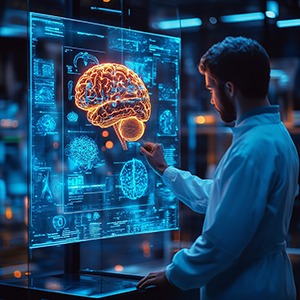
NeuralOpTech is a cutting-edge, mind reprogramming approach that blends neuroscience, cognitive psychology, and neural circuitry reprogramming to optimize cognitive functions and emotional well being. The technique focuses on enhancing neural pathways through visualization, affirmations, mindfulness, and cognitive reframing to facilitate profound mental and emotional changes.
Key Applications:
Cognitive Enhancement
Optimize memory, attention, and executive functioning for improved learning and mental agility.
Emotional Healing:
Address mental health challenges such as stress, anxiety, depression, and trauma by reprogramming neural pathways to promote positive emotional responses.
Therapeutic Applications:
Integrated into various therapy modalities like CBT (Cognitive
Behavioral Therapy) and trauma-informed care to boost the effectiveness of treatment.
Personal Development:
Empower individuals to break free from limiting beliefs and adopt healthier mental patterns, leading to greater resilience, self-confidence, and positive behavioral change.
Brain Imaging & AI in Psychology
Emerging Technologies in Mental Health
The integration of brain imaging and artificial intelligence (AI) has opened new frontiers in mental health research and practice. At the Brain Technology Research Center, we use cutting-edge tools such as fMRI, EEG, and AI algorithms to explore how brain structure and function relate to mental health conditions and treatment outcomes.
Key Technologies & Applications:
Brain Imaging Technologies:
Utilize fMRI and EEG scans to measure and observe brain activity in real-time. These technologies allow us to pinpoint areas of the brain affected by conditions like depression, anxiety, and neurodegenerative disorders, providing insights into the underlying causes of psychological conditions.
AI in Psychology:
Leverage machine learning algorithms and predictive analytics to personalize mental health treatment plans. By analyzing vast datasets from brain scans and psychological assessments, AI can help identify patterns and suggest targeted interventions for more precise treatment.
Neurofeedback & Brain Stimulation:
Incorporate neurofeedback and transcranial magnetic stimulation (TMS) to enhance cognitive performance and treat conditions such as ADHD, PTSD, and chronic depression. These therapies aim to retrain brain patterns for healthier mental states.
Cognitive Enhancement Tools
Apps, Wearables, and Other Innovations
In addition to our clinical approaches, we explore the potential of consumer-based cognitive
enhancement tools. From apps to wearables, these technologies provide individuals with the tools to enhance cognitive performance, track mental health progress, and practice self-care on their own terms.
Cognitive Training Apps:
Downloadable apps that use gamified exercises to enhance memory, attention, and problem-solving skills. These tools can be used to improve cognitive function for
individuals at any stage of life.

Wearables for Mental Health:
Devices like smartwatches and headbands designed to monitor brain waves, heart rate, and stress levels. These wearables offer real-time feedback and encourage practices like mindfulness, breathing exercises, and mental wellness tracking.
Biofeedback Devices:
Wearable devices that monitor physiological responses, such as heart rate variability and skin conductance, helping users gain control over their stress levels, anxiety, and
focus.
AI-driven Cognitive Enhancement:
Apps powered by artificial intelligence that deliver personalized cognitive training exercises and neuroplasticity-based interventions to help improve mental clarity, focus, and emotional regulation.
Key Benefits of Innovation & Technology
Advanced Therapeutic Tools:
Incorporating AI, brain imaging, and wearable devices for more targeted and personalized treatments.
Real-time Insights:
Use brain scans and neurofeedback to gain deeper insights into mental health conditions and cognitive functioning.
At-home Cognitive Training:
Empower individuals to engage in self-guided cognitive enhancement using mobile apps and wearable technologies.
Improved Treatment Efficacy:
Through the combination of NeuralOpTech, AI, and advanced neurotechnologies, we are achieving better treatment outcomes and personalized interventions for a wide range of mental health conditions.